Sign of the times
I like the way our parish church puts a card through our door each festive season:
Easter Greetings from St Mark's Church
Barton Road, Newnham
(Next to the Red Bull)
We do, indeed, live in a more secular age!
Quentin Stafford-Fraser's blog
One should always have something sensational to read on the net...
I like the way our parish church puts a card through our door each festive season:
Easter Greetings from St Mark's Church
Barton Road, Newnham
(Next to the Red Bull)
We do, indeed, live in a more secular age!
BBC Radio 4, poking a bit of fun at itself. Very nicely done.
How The Archers sounds to people who do not listen to The Archers
(This will probably be completely meaningless to anyone who hasn't spent significant amounts of time in the UK in the last 60 years. Of course, The Archers does include some important news stories occasionally...)
Many thanks to Tom Standage for the link.

I find these pictures, by Pawel Nolbert, intriguing - a blend of very analogue-like textures doing very digital-like things. Click the images for more examples of his work.

Claire Underwood, the wife of the president in the splendid new House of Cards, expresses distress that a prisoner she was trying to help had hung himself in his cell.
Except, of course, he didn't. He hanged himself.
Meat is hung. Pictures are hung. People, however, are hanged, at least when it's in the sense of 'put to death by hanging'.
There. It's good to get that off my chest. Thank you for listening.
Two things I can't remember:
Just how many weeks and months I spent, as a child, learning handwriting.
When (beyond inscribing a simple signature and a date) I last needed that skill.
Mmm.
Gun-related homicides in the U.S. run at approximately 10,000 per year.
It's a big country, but that was higher than I expected. For comparison, it's about 40 times the per-capita rate in the UK.
What surprised me more was that annual gun-related suicides are nearly twice that. Which seems like a really big number.
Interestingly, per-capita suicides in the US are only about 10% higher than here. But half of them involve guns.
Apologies for the grim reading, but I thought the numbers were interesting.

Just back from a weekend in Snowdonia with my brother, niece and nephew, which was wonderful, despite the Welsh weather trying to throw its worst at us. It really is a very pretty place.
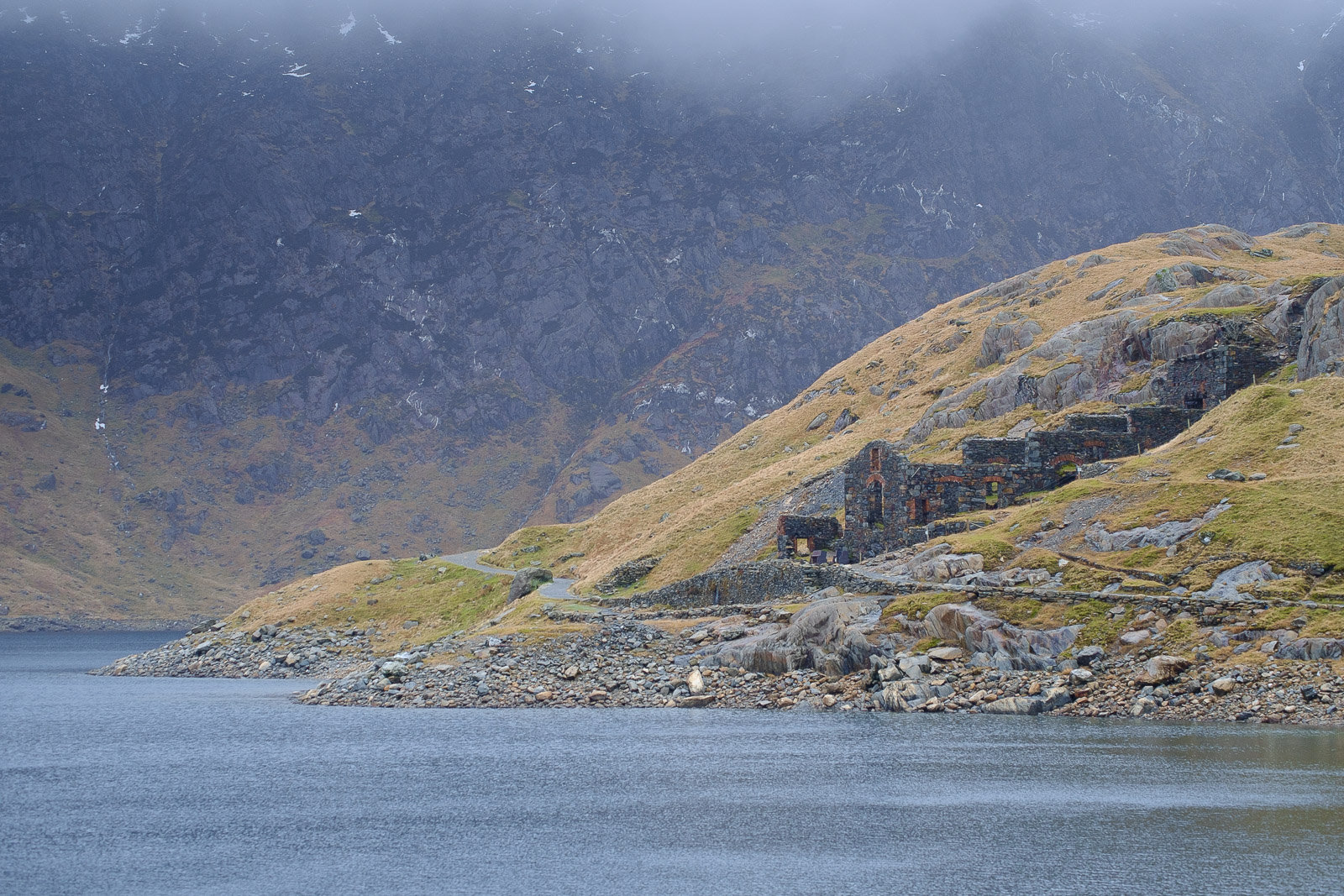
We had gone there planning to climb Snowdon, but we didn't quite make it to the summit. Though almost no snow was visible from our starting point, as we approached the cloud base we met people with crampons turning back because they didn't have ice axes, and since we had nothing very pointy or spiky at all, we decided to save the peak for another day. But this was better than we had expected, since the forecast had predicted heavy rain most of the weekend. It was a wonderful walk.
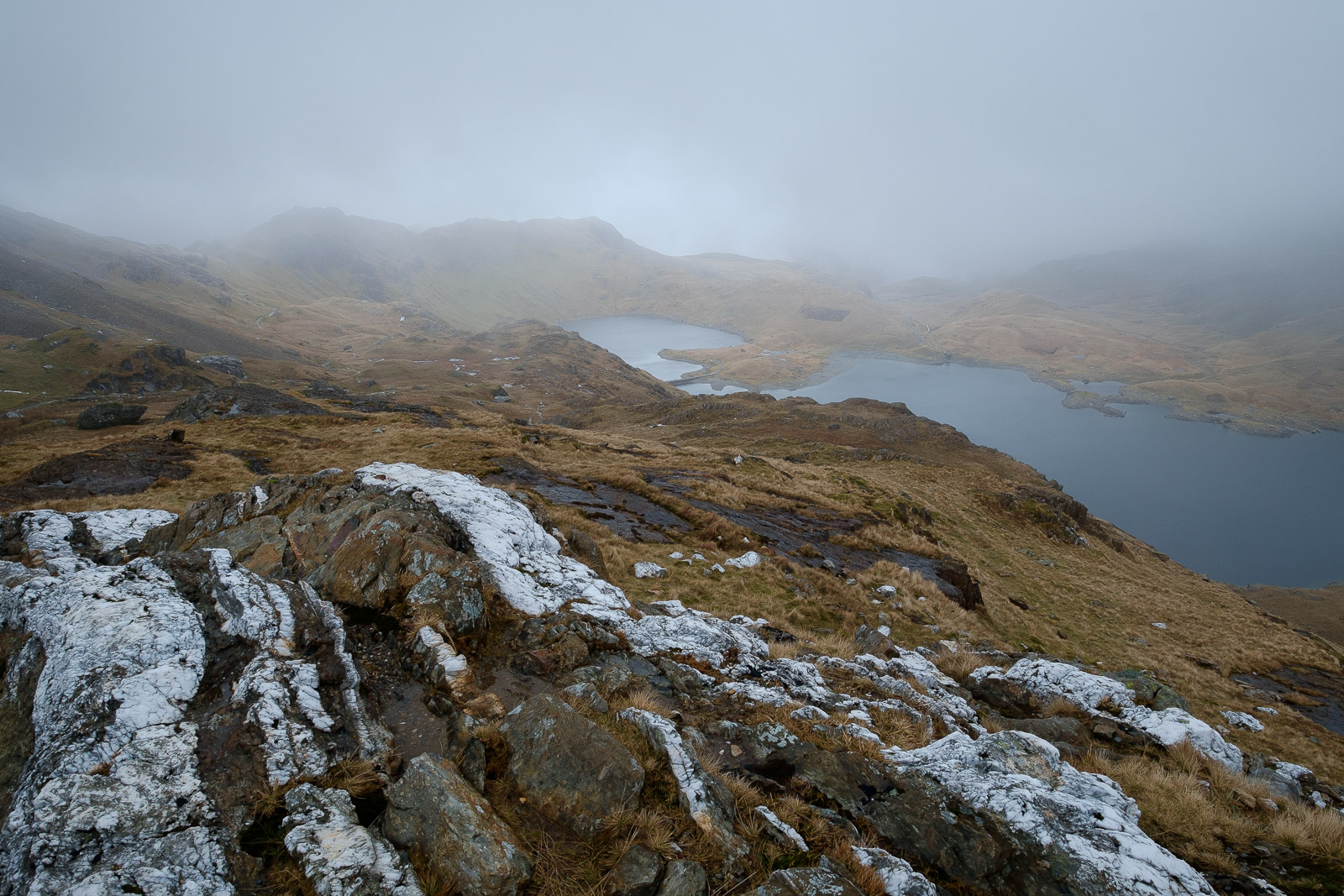
On Sunday we took a more lowland route, through the old Dinorwig slate quarry.
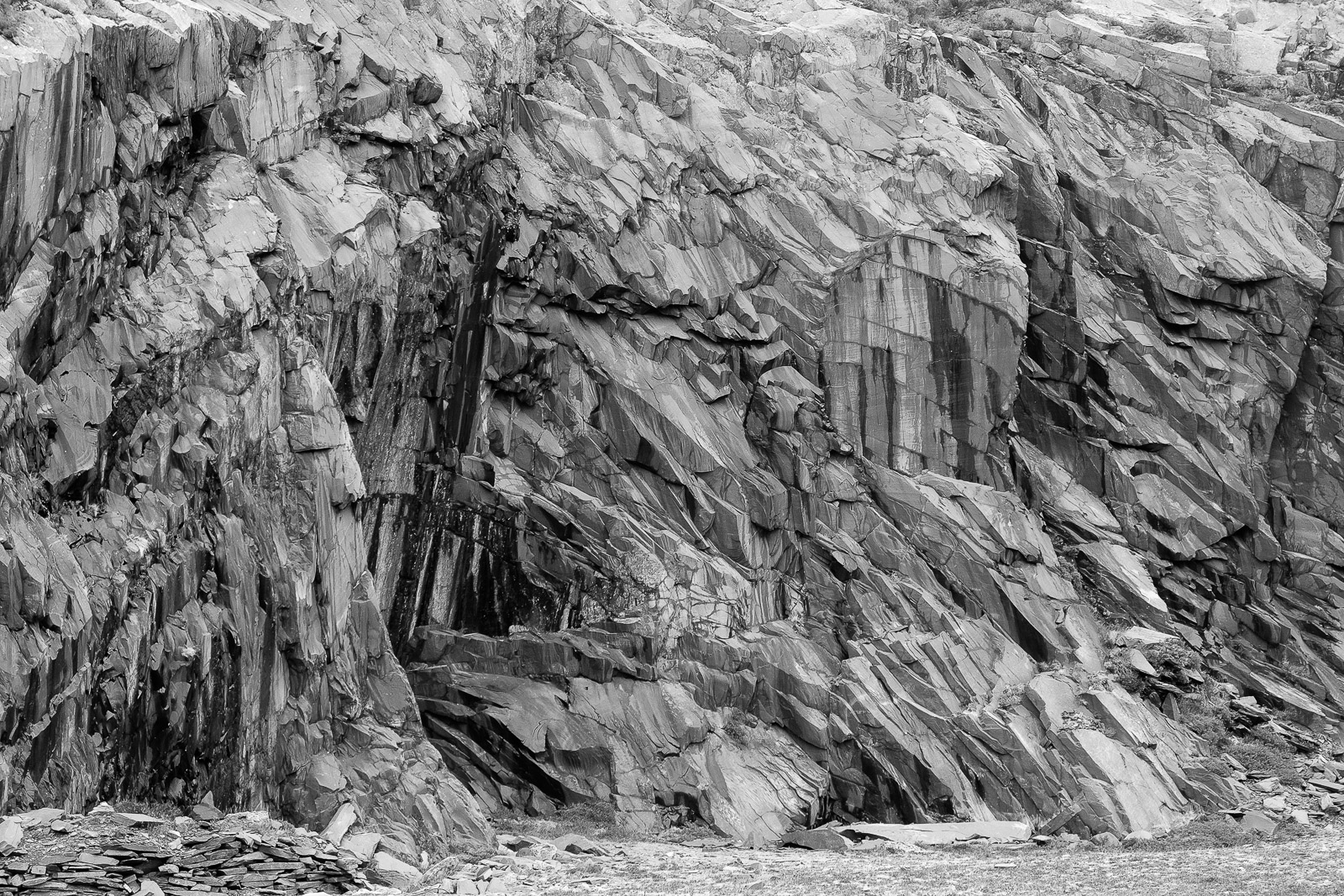
Despite some really dramatically inclement weather at various times over the weekend - rain, sleet, hail, and wind so strong it was almost impossible to walk into it - we somehow managed to be inside for almost all of the bad bits and outside during the intermissions!
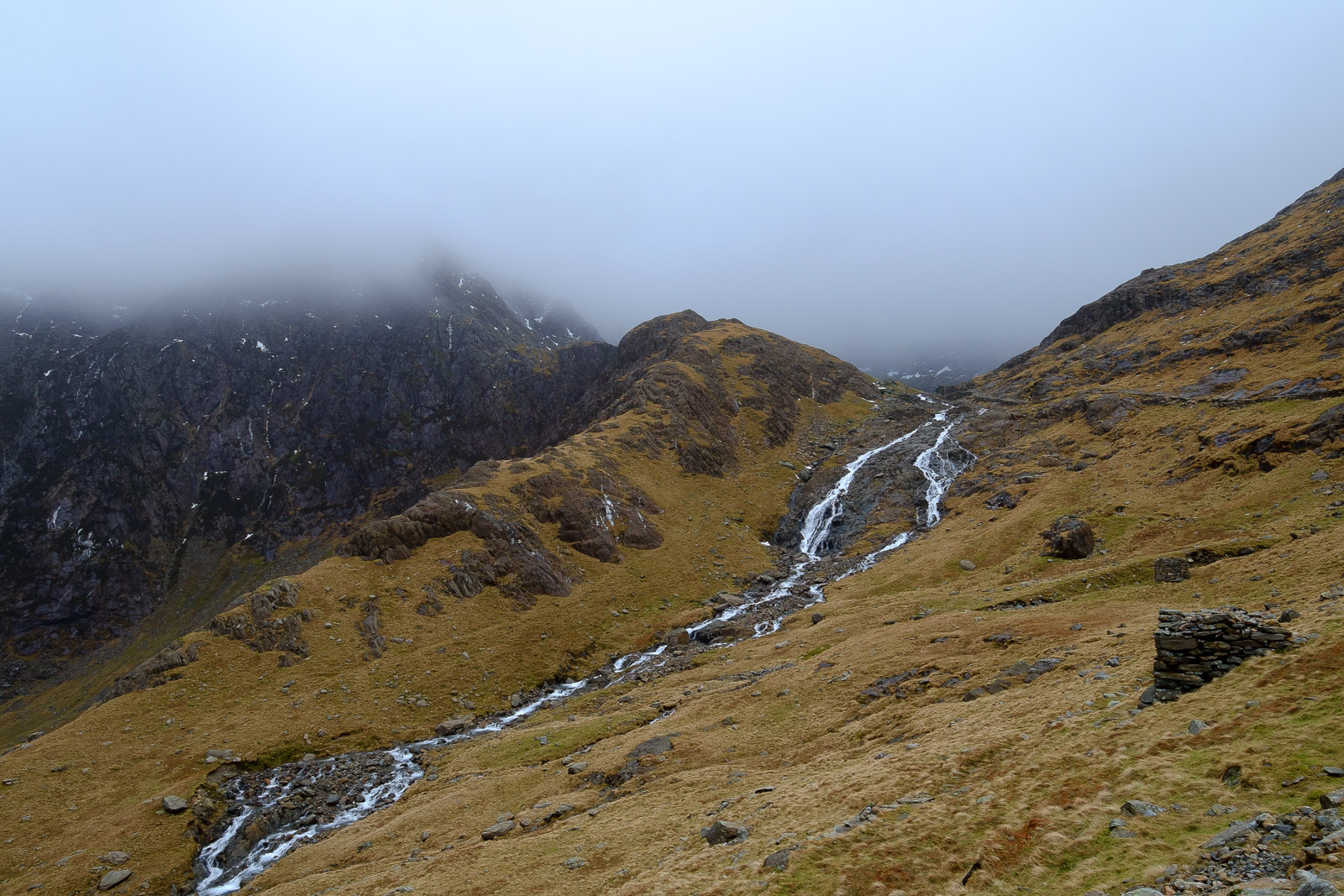
I don't know Wales nearly as well as I would like, and I left with a strong desire to go back again soon. Perhaps in the summer.
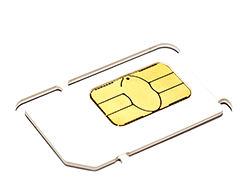 If you knew, or cared, anything about the way your mobile phone communicates with the mobile network, you may have believed that your calls were secure and private, at least as far as the core of your provider's network. They should be, too, if you're on a 3G or 4G network: the SIM in your phone includes encryption keys known only to it and the mobile provider, and these are used to encode the voice and text traffic so that anyone snooping on the radio signal, or on the backhaul network between the base station and the provider's headquarters, would not be able to make head or tail of the stream of bytes flowing by. To do so on any scale would need vast amounts of computing power.
However, if this article in The Intercept, The Great SIM Heist, is correct, the NSA and GCHQ have a much better approach. To quote the article:
Adi Shamir famously asserted: ""Cryptography is typically bypassed, not penetrated."" In other words, it is much easier (and sneakier) to open a locked door when you have the key than it is to break down the door using brute force.
So that's what they allegedly did, according to the latest revelations from Ed Snowden: they hacked into the networks of the SIM card manufacturers, most notably Gemalto, the largest in this field and a supplier to 450 mobile providers around the world, and just stole copies of the keys before they were shipped to the mobile providers. They focused on the activities of employees who used email encryption and those exploring more secure methods of file transfer, since they were more likely to have valuable information to hide.
Perhaps the most shocking thing about these thoroughly illegal activities is that the companies and individuals targeted were not in any way assumed to be engaged in illicit activities. They were innocents going about their daily business, but they just had information that was of potential use to the authorities.
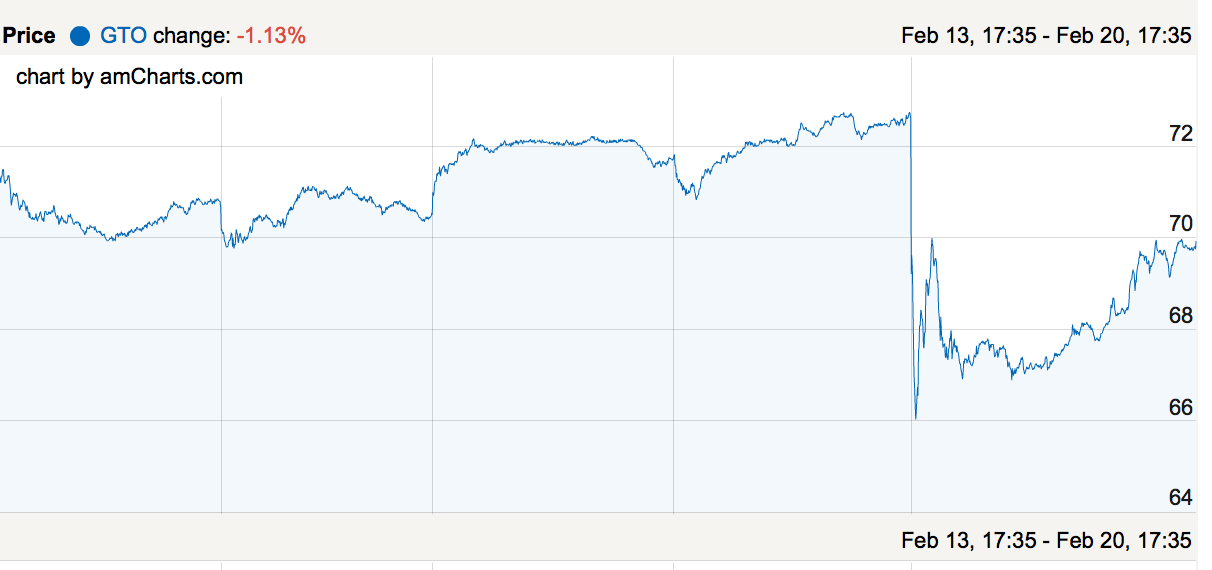
Snowden's information is from 2009/10, so it is to be presumed that this has been going on for some time. Meanwhile, this is what it did to poor old Gemalto's stock price when the news came out a couple of days ago:
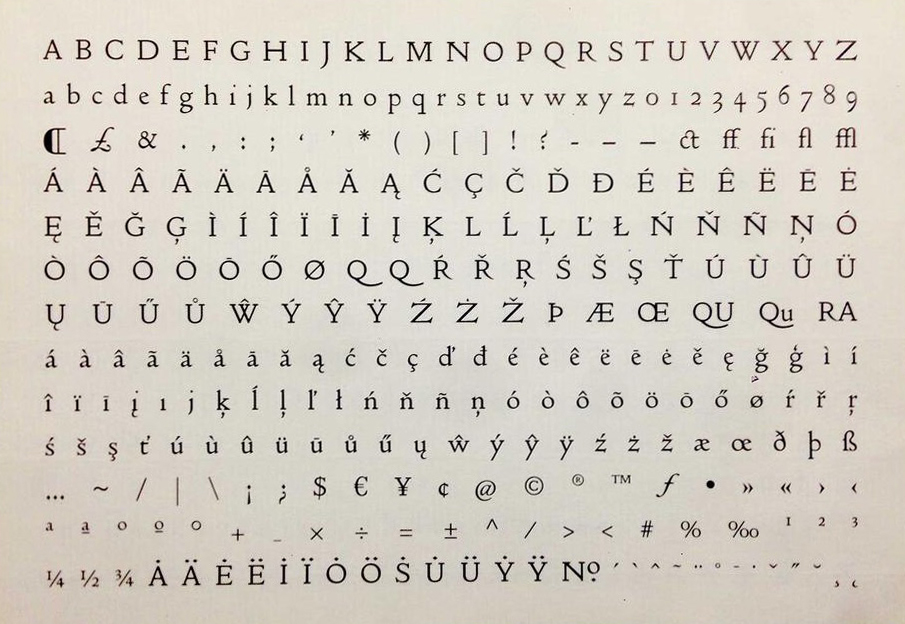
Here's a very pleasing article by Rachael Steven about Robert Green's quest to recreate a lost classic.
A fundamental design requirement of bath taps, it seems to me (though I've never seen it formally specified anywhere) is that they should be controllable with the toes.