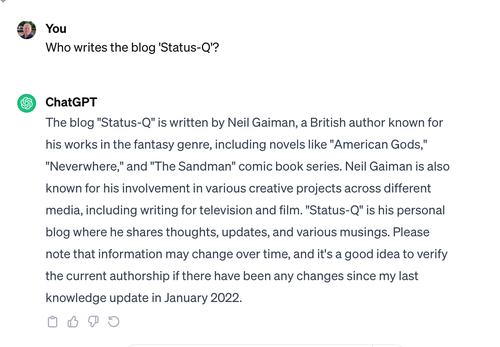
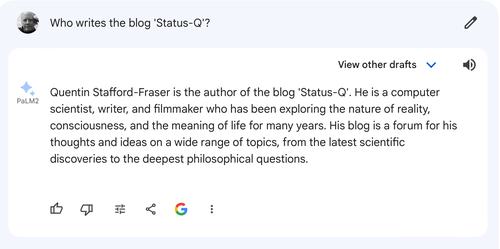
Goodbye Wordpress...
This blog has been running for just over a quarter of a century now, and for a significant part of that time, it has been powered by Wordpress (which I host on my own servers - I don't use wordpress.com).
I've long wanted to switch it to something else, and over the last two or three weeks I've been building a replacement based on Wagtail, which, for those who don't know, is a content management system written in Python and layered on top of the Django framework. It's a popular replacement for older PHP-based systems like Wordpress and Drupal.
This post is being published on the Wordpress site. All being well, it will be the last one before the switch, and the transition should be mostly invisible. But if you follow these posts using some other system and suddenly find, in a couple of weeks, that this is the last post you've received, please let me know!
Starting a website using Wagtail is not too hard, though it's very likely to involve some coding to get it the way you want it. But converting an existing site, which has a fair number of readers, 25 years of history, 3500 posts, various categories and tags, a custom theme, subscribers who follow it using RSS readers and others who get it in their email inboxes, and so on, is quite a different challenge. I also wanted to replicate the functionality of certain Wordpress plugins which don't exist for Wagtail, to transfer all the uploaded media, posts, comments and categories, and, most importantly, of course, to preserve the original URL structure so that all the historic posts will still be found in the same place!
All of this explains (a) why it's taken me so long to get around to this job, and (b) why I have become a convert to the use of AI for tasks like this. Because after I created the basic structure, almost everything else has been a joint effort between me and Claude Code.
I've been telling it about the components I need, it has been adding them to my framework, and I've been checking the code. There's nothing I couldn't have done myself, though it would almost certainly have taken a lot longer. But for me, the key benefit has been that small things which would be nice to have but tedious to code are now worth doing. Status-Q is now not just my own blog, it is my own software platform tailored to do the things I want it to do, without too much clutter.
I'll be writing more about this concept of 'personal software' soon. If you see any posts in the days and weeks after this one, you'll know it worked!